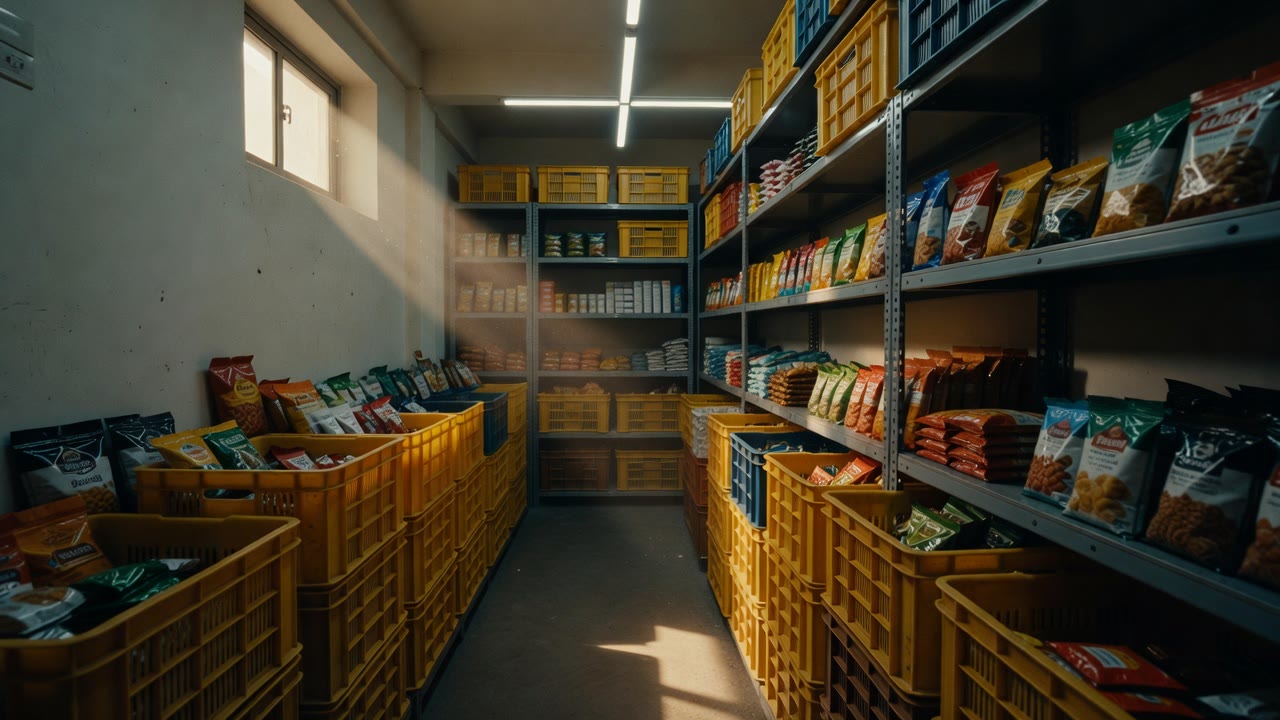
Flipkart is trying to put a 10-minute clock on a company that was built for a 2-day one. The dark-store target — 1,500 by the end of 2026, up from the 750–850 it was running earlier this year — is the most expensive admission of FOMO in Indian ecommerce.
Walmart's India business does not need to win q-commerce to survive. It needs to not look absent while Blinkit teaches a generation that shopping is a countdown. That is a brand problem as much as a logistics one. Marketplace GMV can still compound in fashion, mobiles, and the long tail. It just no longer sets the cultural tempo.
Minutes, and the dark stores behind it, are how Flipkart stays in the photo. The risk is classic conglomerate ecommerce: two operating systems in one app. A customer who gets toothpaste in twelve minutes will not wait two days for a phone case without noticing. Assortment, promise, and complaint handling start to fight each other.
A customer who gets toothpaste in twelve minutes will not wait two days for a phone case without noticing.
Amazon is making the same move with Amazon Now and a Rs 2,800 crore quick-commerce push toward 100 cities. When both giants arrive, the independents do not die on the first day. They die on the day the giants discount the same SKU with a better ad load.
Flipkart's advantage is still the Walmart back end and a seller base that already lives in its warehouses. Its disadvantage is culture. Q-commerce is a store manager's business. Marketplace is a category manager's. Those people do not share a P&L without a fight.
The desk's working assumption: Flipkart will hit the store count. Hitting the habit is a 2027 problem. Count the stores, then count how many of them are actually holding a basket that is not milk and impulsives.