SaaS
GST is still the real SaaS monopoly in Indian commerce.
Every store, warehouse, and marketplace payout eventually becomes an invoice. The companies that own that moment own a tax on the economy.
Rhea Kapoor, Platforms & SaaS··5 min read
SaaS
Every store, warehouse, and marketplace payout eventually becomes an invoice. The companies that own that moment own a tax on the economy.
Rhea Kapoor, Platforms & SaaS··5 min read
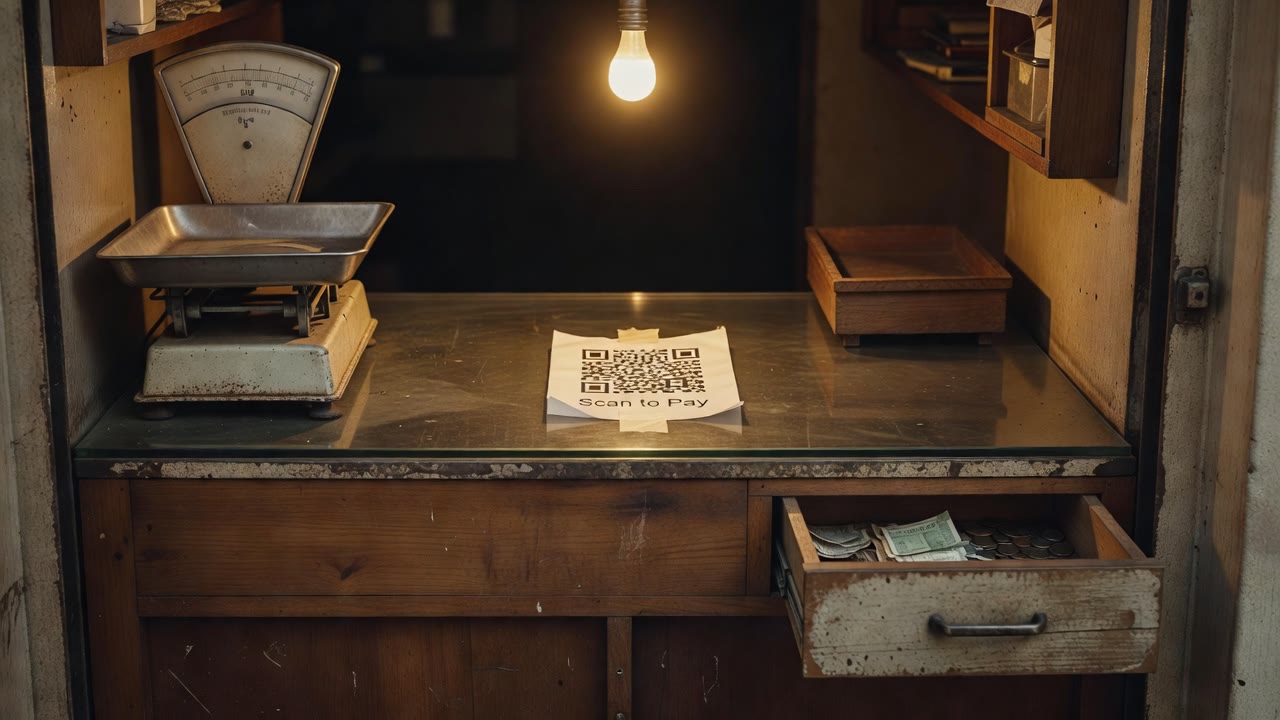
You can leave a checkout. You cannot leave a GST invoice. That is why the dullest software in Indian commerce — e-invoicing, e-way bills, reconciliation against marketplace TCS/TDS — keeps compounding while flashier tools churn.
Cleartax, Zoho Books, Tally's long shadow, a generation of GST Suvidha Providers, and the ERP light-tools that followed e-invoicing mandates: this is a compliance market that behaves like a utility. When the portal hiccups, CFOs remember who they pay.
The 2026 texture is not a new tax. It is volume. Q-commerce, more dark stores, more B2B on ONDC, more payout files from five marketplaces — each is an invoice event. The SaaS that sits on those events does not need a growth team as much as it needs to not go down on the 11th.
You can leave a checkout. You cannot leave a GST invoice.
AI is being bolted on as "explain this notice." Some of that will be useful. Most of it will be a chatbot in front of a PDF. The durable product is still a clean match between what the marketplace says you sold and what you told GSTN.
If you are a commerce operator, this is not optional software. If you are an investor, it is not optional to understand. The next "vertical SaaS" winner in India may already be a GST company that learned inventory, not an inventory company that hired a tax intern.
We will keep covering it, even when it does not photograph well.
Filed under SaaS·Rhea Kapoor
Readers' mark
Be the first to mark this story.
Ask the desk
Signed-in readers can put a question to the desk. We file a short take on this story — not a press release.
SaaS
OMS, WMS, GST invoices, and a Shopify theme: the mid-market D2C company is a software company whether it likes it or not.
Rhea Kapoor · 18 Aug · 6 min read

Opinion · SaaS
While coastal startups sold seats in dollars, a quietly bundled OS ate GST, inventory, and the inbox of the company that actually ships.
Rhea Kapoor · 11 Aug · 6 min read