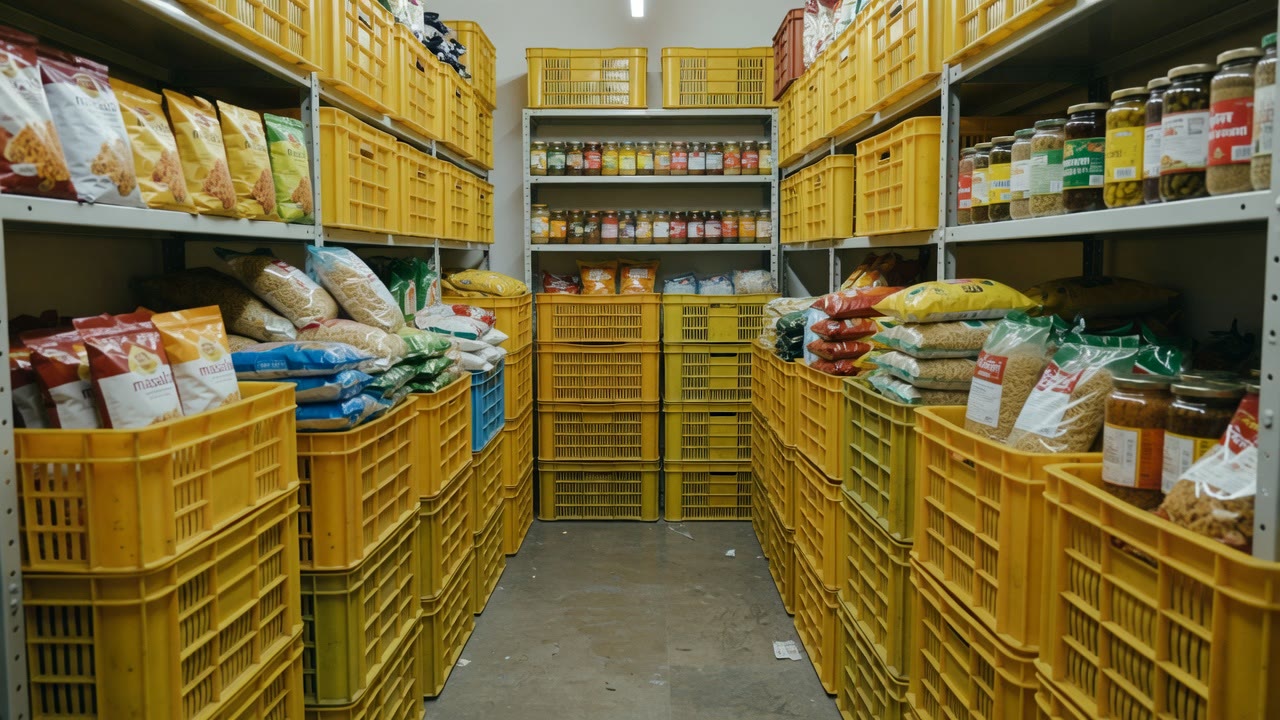
Delhivery's first-quarter print was a split screen: revenue up nearly 28% to Rs 2,931 crore, profit down 65%. Buried in the earnings call was the more useful sentence. The company has no interest in running dark stores, or the last mile that leaves them.
Sahil Barua's argument is almost rude in its clarity. Quick commerce is point-to-point: a dark store, a two-kilometre radius, a rider who does not share a network with the next order in the next neighbourhood. For a 3PL that made its fortune on density — line-haul, sortation, a van that already has eight other packets — that geometry is a tax, not a moat.
He is not wrong about the shape. Blinkit, Zepto, and Instamart did not outsource the mile that customers see. They staffed it, branded it, and treated the 10-minute clock as a product. Outsourced last mile from a dark store offers a 3PL neither brand nor density. You get paid for a trip that cannot be batched, in a city where rider supply is already bid up by three other apps.
Q-commerce will keep growing. It will just grow as a grocery company with bikes, not as a 3PL category.
The profit drop is the other half of the story. Delhivery is investing in maps, in air, in a financial-services sidecar, and in keeping away from a business that looks busy and pays badly. That is a grown-up choice. It is also a warning to every "we will be the logistics layer for q-commerce" pitch still circulating in Bombay conference rooms.
What remains, and what Delhivery still knows how to do, is the unfashionable work: the four-day surface network, the mid-mile that actually compounds, the B2B parcel that does not need to arrive before the dal soaks. Q-commerce will keep growing. It will just grow as a grocery company with bikes, not as a 3PL category.
If you are a brand selling on Blinkit, this should not surprise you. You were never going to get Delhivery economics on a 12-minute SLA. You were going to get a dark store's P&L, which is rent, shrinkage, and rider utilisation. Barua just said it on an earnings call.