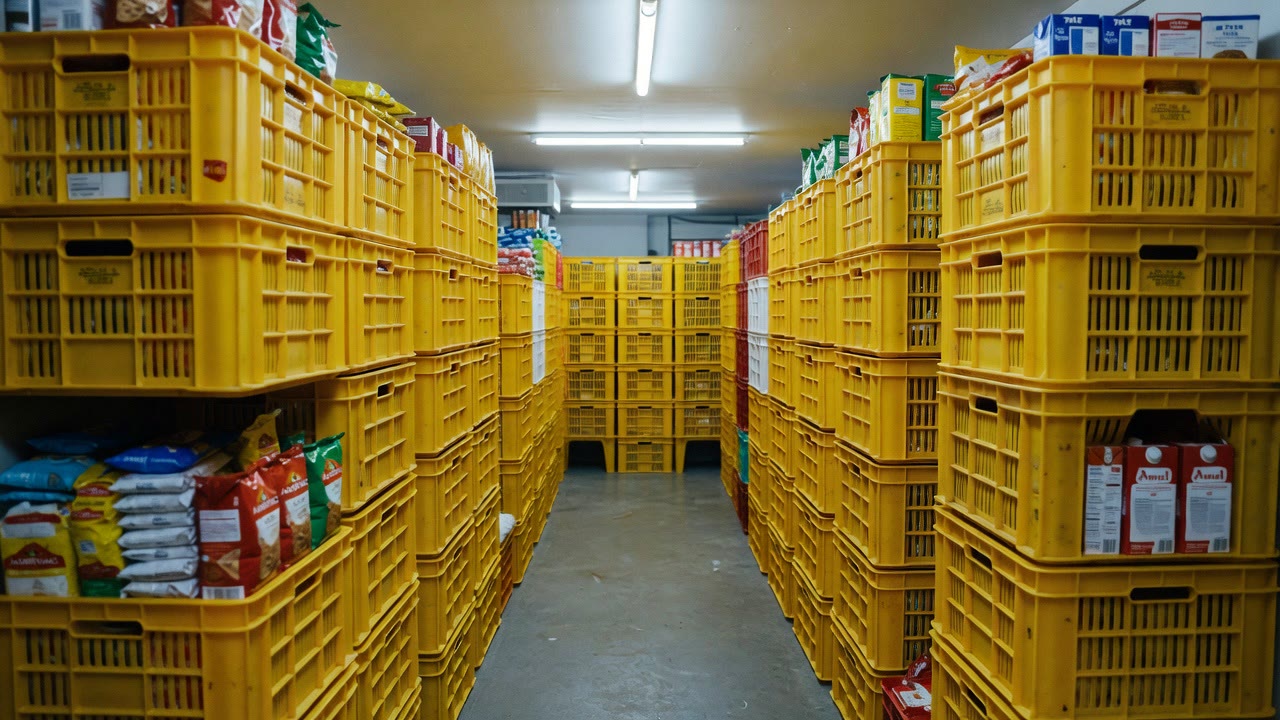
Amazon India's Rs 2,800 crore quick-commerce plan — Amazon Now toward 100 cities, micro-fulfilment, last mile — is the sound of a company that watched Blinkit eat the evening slot and decided the evening slot is the business.
Amazon does not lose sleep over a kirana. It loses sleep over a habit that never opens the Amazon app. Ten-minute grocery is that habit. Once a household's default for "we need it tonight" lives elsewhere, the two-day marketplace becomes a planned purchase — phones, appliances, the big basket — and planned purchase is a slower, more advertised, more couponed world.
So Amazon is building the other clock. Micro-fulfilment is a polite phrase for dark stores with better software. The 100-city target is a coverage brag aimed at Zepto's urban density and Flipkart's store sprint. It is also a bet that Amazon's selection advantage — the long tail Prime customers already trust — can be squashed into a 15-minute radius without becoming a worse grocery.
Grocery is not a catalog problem. It is a freshness, substitution, and coriander problem.
That last part is the confession. Grocery is not a catalog problem. It is a freshness, substitution, and "the coriander was slime" problem. Amazon's machine is superb at not losing a charger in a warehouse. It has never had to care if the banana bruised in the rider bag.
If Now works, Amazon gets a daily ping and a new ad surface. If it half-works, it gets a subsidy line that Prime membership has to explain. Either way, the independents should assume the giants are not dabbling. They are importing the clock that already reset consumer patience.
For brands, the practical implication is uglier than the city count. You will be asked to be in Blinkit, Zepto, Instamart, Minutes, and Now — five planograms, five margin conversations, five ways to be out of stock. That is not distribution. That is a part-time job.