Ecommerce
Zepto's IPO clock is a product review in disguise.
The 2026 new-age pipeline has a grocery app in it because public markets now understand 10-minute demand. They still have to price 10-minute costs.
Ananya Rao, Editor··6 min read
Ecommerce
The 2026 new-age pipeline has a grocery app in it because public markets now understand 10-minute demand. They still have to price 10-minute costs.
Ananya Rao, Editor··6 min read
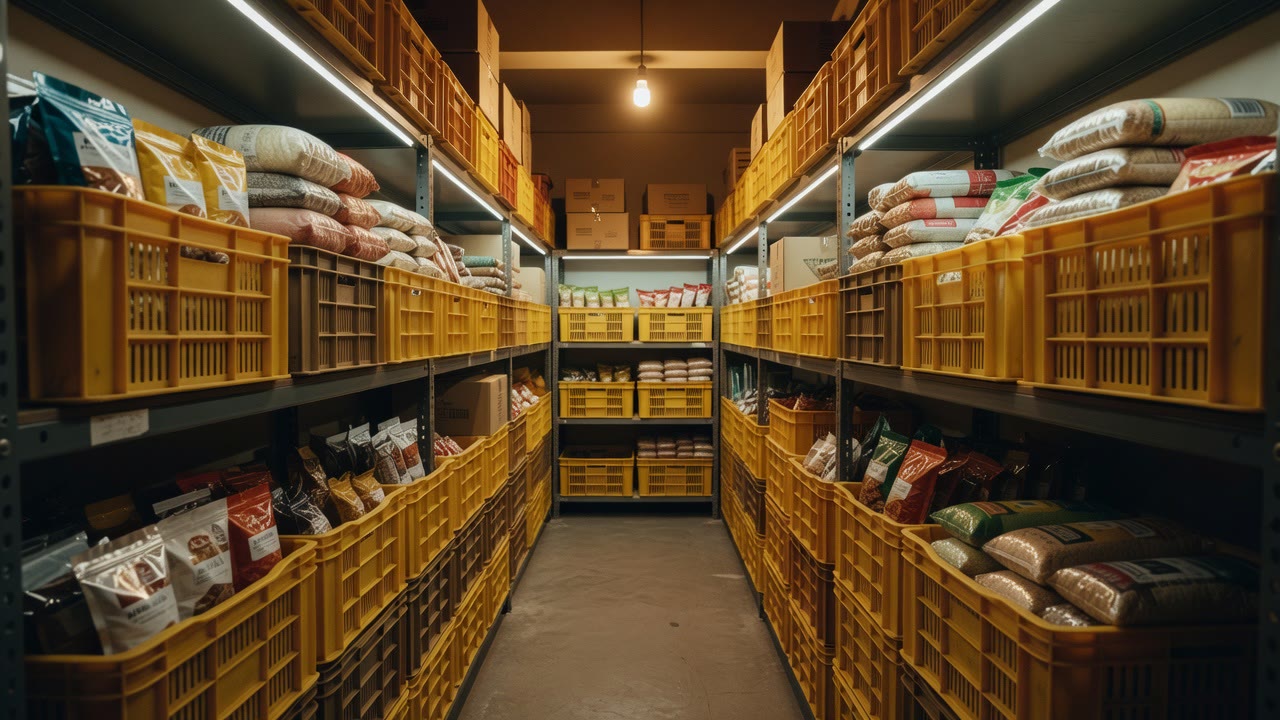
Zepto has been living on the IPO slide for a year. The rest of the 2026 pipeline — PhonePe, Boat, Infra.Market, Shadowfax — makes the grocery listing look almost conservative. It is not. A public q-commerce name has to explain dark-store returns without the private-market fog.
The bull case writes itself. India is the global proof that 10-minute grocery is not a pandemic leftover. Zepto's denser, younger, more urban bet differentiated it from Blinkit's Eternal umbrella and Instamart's food-delivery sibling. A listing would give the category a clean comparable.
The bear case is also simple. Public markets can do maths on rider cost, lease inflation, and the festive spike that looks like product-market fit until January. Eternal already taught them that. Zepto does not get to be the first grocer in a bull market. It gets to be the next one in a market that has seen the movie.
A public q-commerce name has to explain dark-store returns without the private-market fog.
What the IPO will really test is narrative control. Is Zepto a grocery company, a 10-minute everything store, or a logistics software story with inventory? Each of those takes a different multiple. Mixed together they take a discount.
Founders will talk about dark-store productivity and contribution margin. Investors will talk about competitive intensity now that Amazon and Flipkart have copied the clock. Both will be right. The listing document that matters is the one that says, in a sentence, which SKUs actually print money.
Until then, treat every "pipeline" story as a reminder: Indian consumer internet is still trying to get paid for habits it already created. That is not a complaint. It is the job.
Filed under Ecommerce·Ananya Rao
Readers' mark
Be the first to mark this story.
Ask the desk
Signed-in readers can put a question to the desk. We file a short take on this story — not a press release.
Ecommerce
Beauty and fashion both beat estimates; House of Nykaa brands and Nike drops keep the till busy while SuperStore scales.
Ananya Rao · 7 Oct · 4 min read
Ecommerce
in.tommy.com goes live to complement 350-plus doors and capture full-price direct demand.
Ananya Rao · 6 Oct · 4 min read
Ecommerce
Hidden Gems accelerator gives homegrown apparel brands free platform access plus marketing support ahead of festive listings.
Ananya Rao · 5 Oct · 4 min read