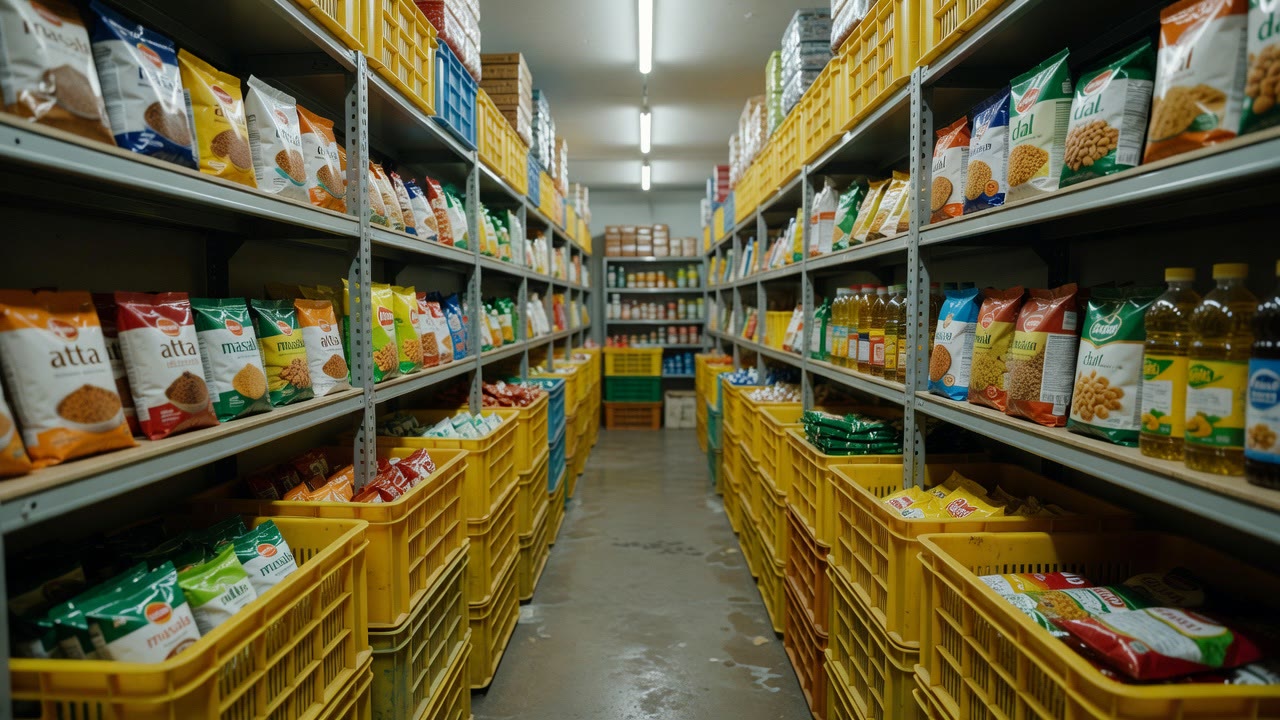
Good morning. If you still describe Blinkit, Zepto, and Instamart as "quick commerce startups," you are writing last year's memo. They are grocers. They have stores, planograms, shrinkage meetings, and a customer who will leave if the curd is sour. The startups were the fundraising vehicle.
India led the world into the 10-minute grocery habit. Bain's 2026 read put the category at $10–11 billion GMV, with a path toward the teens as JioMart and BigBasket stop dabbling. That is a retail industry. It deserves retail analysis: same-store, fill rate, SKU productivity, labour hours per order.
The venture analysis — "can they get to contribution, will Amazon kill them" — is not wrong. It is incomplete. Amazon and Flipkart entering is what happens when a category graduates. Independents do not automatically die. Some regional grocers outlived supermarket chains. Some did not.
Leave 10-minute in the kicker, not in the thesis.
What graduates with the category is labour. Dark stores are night work, monsoon work, festival work. A country that has not decided how it feels about gig status is running a grocery system on that ambiguity. This will not stay quiet. It should not.
The other graduation is ads. A 10-minute app with a home page is a shelf. FMCG companies already know how to buy shelves. They will buy these, professionally, and the "tech" story will look more like a retailer with a good app — which is what it is.
Qhaat's working rule for the next year: write about these companies the way we write about DMart. Count the stores. Taste the milk. Follow the worker. Leave "10-minute" in the kicker, not in the thesis.